What Happens If You Stop Wearing Your Retainer After Braces?
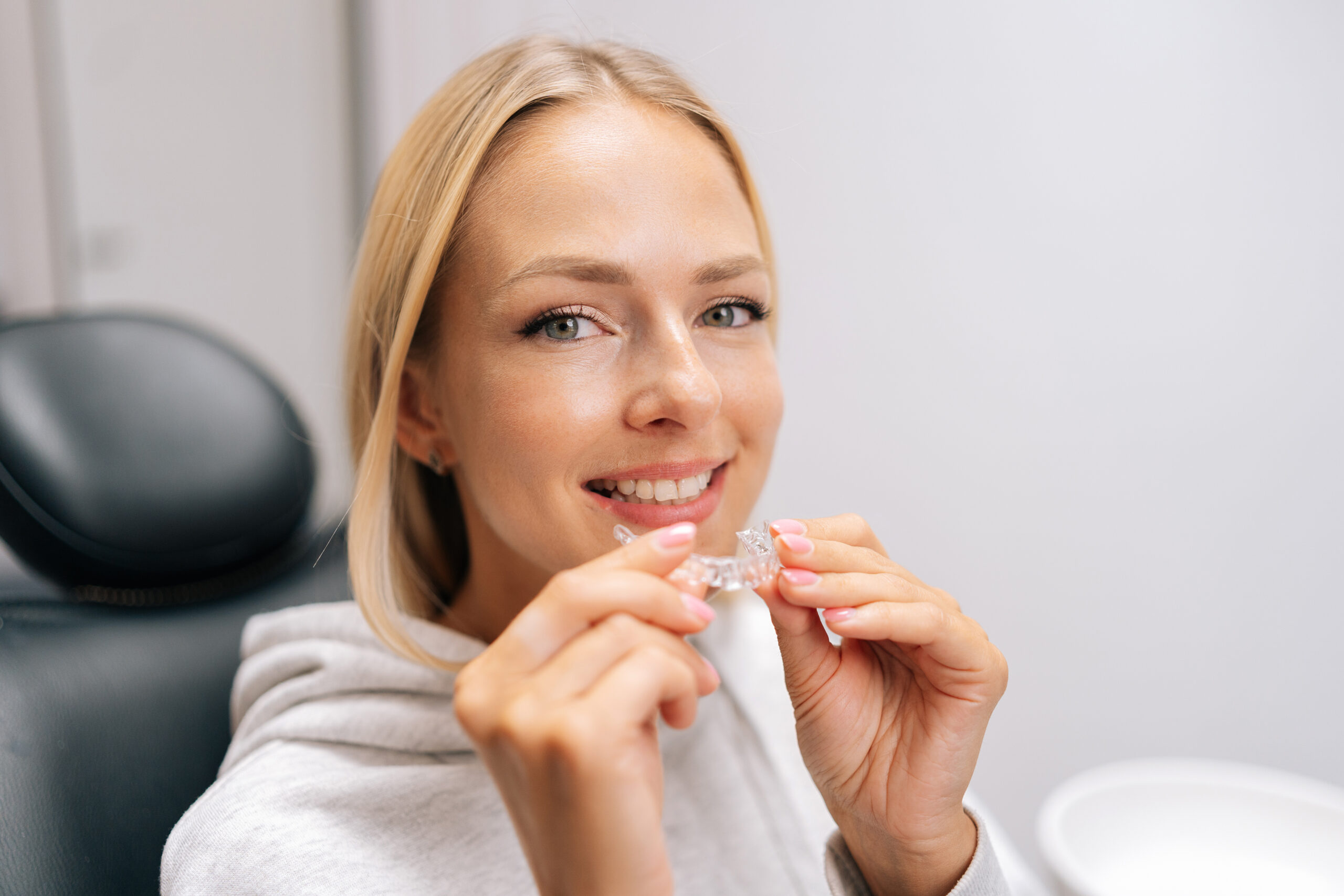
Finishing braces is a big milestone. After months or even years of treatment, seeing your teeth finally straightened can feel like the end of the journey. But orthodontic treatment doesn’t really end when the braces come off—it transitions into the retention phase.
That’s where your retainer comes in.
Many patients underestimate just how important retainers are after braces. It can be tempting to stop wearing them once your smile looks “perfect,” but skipping this step can quickly undo a lot of hard work. Understanding what happens if you stop wearing your retainer can help protect your results for the long term.
Why Retainers Are So Important After Braces
Braces move your teeth into new positions, but they don’t permanently lock them in place. After orthodontic treatment, the surrounding bone and tissues need time to stabilize around the new alignment.
A retainer after braces helps hold teeth in place while this stabilization happens. Even after things feel settled, teeth naturally have a tendency to shift over time due to chewing forces, natural aging, and everyday habits.
This is why orthodontists strongly emphasize retainer wear as part of post-braces care. It’s not optional—it’s what maintains your results.
Teeth Naturally Want to Shift Back
One of the most important things to understand is that teeth have “memory.” Before treatment, they were positioned in a certain way for years. The bone and ligaments around them slowly adapted to that position.
Once braces are removed, those same structures can begin pulling teeth back toward their original alignment. This process is called orthodontic relapse.
Even small changes can start happening within weeks if a retainer is not worn consistently. At first, you may not notice anything obvious, but gradual shifting can eventually become visible.
For patients searching terms like why teeth shift after braces or do teeth move without retainers, the answer is simple: yes, they can move more easily than expected.
What Happens If You Stop Wearing Your Retainer?
Stopping retainer wear completely can lead to a range of changes—some minor, some more significant depending on how long it’s been and how much your teeth were moved during treatment.
In the early stages, you might notice slight crowding returning, especially in the lower front teeth. This is one of the most common areas for relapse. Small gaps may also begin to reopen.
As time goes on, more noticeable shifting can occur. Teeth can rotate, overlap, or create bite changes that affect how your teeth come together when chewing.
In more advanced cases, patients may need orthodontic retreatment if the changes become too significant.
How Quickly Can Teeth Shift?
A common misconception is that you can skip your retainer for a few weeks without consequences. In reality, movement can start much sooner.
For some patients, teeth begin shifting within days or weeks of stopping retainer use. For others, changes may take longer, but the risk is always there—especially in the first year after braces.
This is why orthodontists often recommend full-time retainer wear initially, followed by long-term nighttime use.
If you’re looking up how fast teeth move after braces, the key takeaway is that movement is gradual but consistent when retainers are not used.
Can You Fix Shifting Teeth Without Braces?
If you’ve stopped wearing your retainer and notice minor changes, you may still have options. In some cases, wearing your retainer again (if it still fits comfortably) can help guide teeth back into place.
However, if significant shifting has occurred, a new retainer or additional orthodontic treatment may be needed. This could include clear aligners or braces depending on the severity of the relapse.
The sooner you address changes, the easier they are to correct. Waiting too long can make treatment more complex.
Why Retainer Wear Becomes a Lifetime Habit
Many patients are surprised to learn that retainers are often recommended long-term—not just for a few months.
While the frequency may decrease over time, most orthodontists suggest nighttime wear indefinitely to maintain results. This doesn’t mean your teeth will constantly move without it, but it does help prevent gradual changes over the years.
Think of retainers like maintenance for your smile. Just as you brush your teeth daily to prevent decay, retainer wear helps preserve alignment.
Common Reasons People Stop Wearing Retainers
It’s actually very common for patients to stop wearing retainers, even if they know they shouldn’t. Some of the most common reasons include losing the retainer, forgetting to wear it consistently, or simply feeling like it’s no longer necessary.
Others may experience discomfort if they try to wear it after a long break, which can be a sign that teeth have already shifted.
Understanding these risks early can help prevent long-term issues.
How to Protect Your Smile Long-Term
The best way to maintain your orthodontic results is consistency. Wearing your retainer as directed—especially during the first year—is critical. After that, transitioning to nighttime wear helps ensure stability.
Proper care also matters. Keeping your retainer clean, storing it safely, and replacing it when needed all contribute to long-term success.
If you ever lose or damage your retainer, replacing it quickly is important to avoid even short gaps in wear time.
Embrace Orthodontics – Protect Your Smile After Braces
If you’ve stopped wearing your retainer or are noticing changes in your smile, it’s not too late to take action. Addressing movement early can help you avoid more extensive treatment later.
At Embrace Orthodontics, patients receive guidance on retainer wear after braces, long-term smile maintenance, and options for correcting orthodontic relapse. Whether you’re currently in retention or years past treatment, support is available to help keep your smile aligned.
If you’re searching for help with teeth shifting after braces in Ann Arbor, MI, scheduling a consultation is the best next step. Embrace Orthodontics can evaluate your current alignment and recommend the right solution to protect your smile for years to come.
Recent Post
- What Are Rubber Bands for Braces and Why Do I Need Them?
- What Happens If You Stop Wearing Your Retainer After Braces?
- What Ann Arbor Parents Should Know Before Their Child’s First Orthodontic Visit
- Understanding the Costs of Braces and Clear Aligners in Ann Arbor, MI
- Braces and Sports: Protecting Your Smile While Staying Active
- Unexpected Tooth Movement After Pregnancy: Why It Happens and How to Fix It