How an Invisalign Treatment Can Realign your Teeth

Well, it was already about time to have an orthodontic solution that met all your expectations, right? Invisalign clear aligners are what many hoped for but were never able to get during their teenage years. These aligner trays are sure to help adults and teenagers get the smile they’ve dreamed of in record time.

Let’s get together and check out what Invisalign clear aligners are and what your ortho treatment with Invisalign will look like.

How Does Invisalign Work?

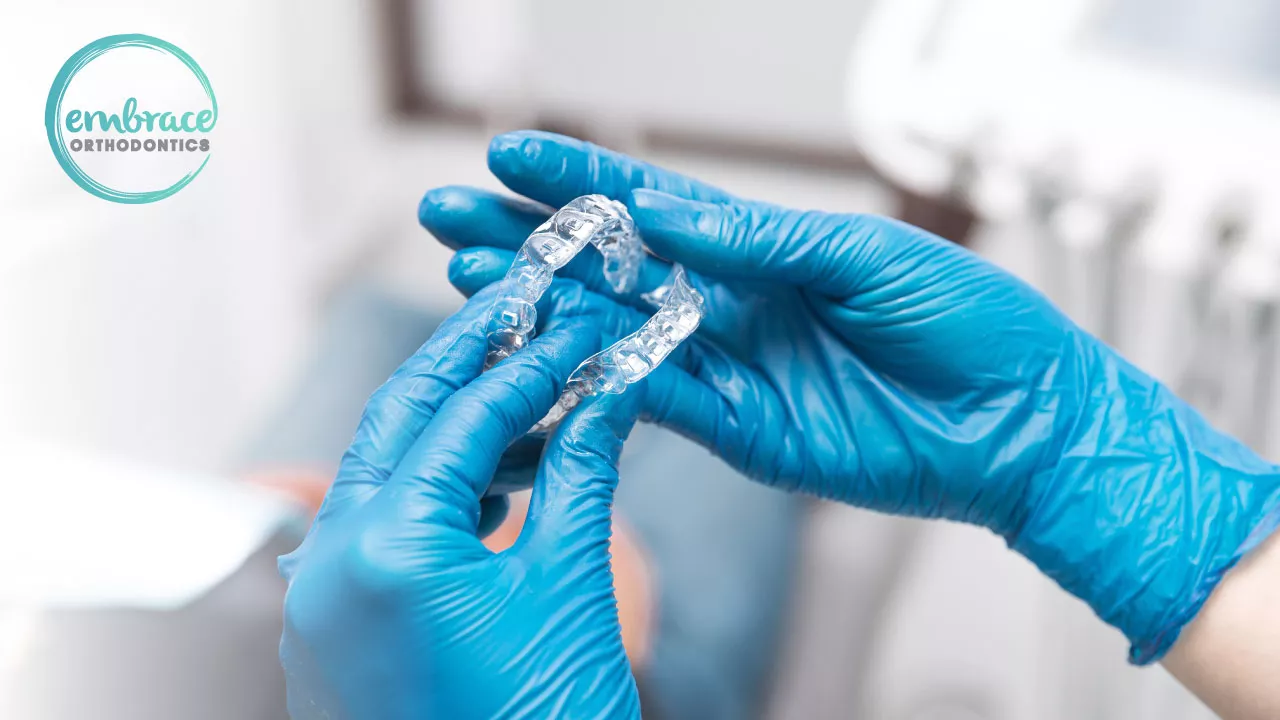
In the simplest of terms, Invisalign is the commercial brand name for a type of clear aligner. Clear aligners themselves are an alternative to the orthodontic braces you may be familiar with. These non-BPA clear plastic aligners serve the same function as a set of traditional braces. This flexible thermoplastic material gets the name SmartTrack.

Clear aligners work by gradually applying force over your teeth and pushing them into a new position. This is only possible thanks to the nature of our jawbones. The pressure slowly pushes the tooth from the root into a new position and the jawbone later hardens accepting the new alignment.

Invisalign is the answer to many questions about the function and form of conventional braces. These are custom-made trays generated in a lab thanks to the work of technicians and top-of-the-line scans of your mouth.

Every set of trays, because you will have to switch to a new set approximately every two weeks, represents a new stage in your orthodontic care and pushes your teeth into a specific position.

Which Teeth Move First With Invisalign?

The short answer is yes. 

An experienced and certified orthodontist like Dr. Li knows how to develop a safe treatment plan that aims to correct orthodontic problems, such as dental crowding, excessive spacing between teeth, and jaw malocclusions or malalignments.

Adults and teenagers can use Invisalign clear aligners to help correct:

  • Overbites
  • Underbites
  • Crossbites
  • Open bite
  • Gap teeth (Diastema)
  • Crowded teeth

Please keep in mind that these aligners can help correct mild versions of these orthodontic problems. If you have more severe cases, you might be better off with another type of orthodontic appliance. Granted, you could still use clear aligners but might require additional attachments to serve the intended purpose. 

You can review this study analyzing the effectiveness of Invisalign in ortho treatments to learn a bit more. However, we need more data to reach more accurate conclusions about the effectiveness of the appliance.

How Much Does Invisalign Cost for Teens and Adults?

It’s hard to say exactly how much any orthodontic treatment will cost without considering the specific conditions of each patient. The cost is, at least on average, pretty similar to that of traditional braces. 

Some sources place the final cost of treatment in a range between $3,000 and $5,000. The final cost, however, will vary depending on the severity of your orthodontic problem, how long your treatment takes, and if you have at least partial insurance coverage for orthodontic treatment.

Check with our team to get a better idea of the information about insurance and financials you need to keep in mind before you start your treatment. Fortunately, you won’t have to pay the full cost of treatment in a single installment. 

Make sure you ask about our monthly payment plans to make your treatment more affordable. Besides, we have a treatment cost calculator on our site. Just fill in the information and get the estimated monthly cost for your treatment to verify if it’s within your budget.

What Are the Pros and Cons of Invisalign?

We’re glad you’re bringing this up. There wouldn’t be any need for need orthodontic appliances if it weren’t for any potential advantages over traditional metal braces, right? 

Fortunately, there’s plenty of good coming from choosing these aligner trays over other appliances. Let’s take a look at some pros and cons of Invisalign.

Pros

  • Removable Trays. Let’s start with this one. Invisalign clear aligner trays are removable. That’s right. You get to take them off whenever you need to. Please note we’re saying you can take them off on occasion and not whenever you want to. The official Invisalign FAQ reminds all patients to wear their aligners daily anywhere between 20 to 22 hours per day. You can take off the trays to eat, whenever you drink your morning coffee, or when you have to brush your teeth and use dental floss.
  • Clear Plastic Materials. This treatment option offers patients a more discreet appliance choice to avoid the looks of any prying eyes. Adults who work in an office setting or teenagers worried about what their classmates will say can remain confident that their nearly invisible trays won’t be a point of talk for anybody who gives you a casual glance.
  • Potentially Faster Treatment. Some recorded patients have finished their orthodontic treatment in as little as 6 months. Please check with your orthodontist to set the right expectations and know the estimated treatment time for your case.

Cons

  • Can Be Easily Lost. Remember how we mentioned these trays are removable? Well, be careful as many patients who take them off and wrap them in napkins or tissue paper end up losing them or throwing them away in the trash can. Take off your trays only in specific situations such as a meal or before your dental hygiene routine but put the trays safely away in their case.
  • Can Stain. Beverages, such as red wine, coffee, or black tea, can stain the trays and defeat the purpose of wearing a nearly invisible appliance. Make sure you remember to take off the aligners before you drink your preferred beverages.
  • More Expensive. Even if it’s only marginally more expensive, your clear aligners will cost more than braces. Besides, some insurance providers won’t cover these alternatives as they’re not considered medically necessary. Make sure you consider all the estimated treatment costs before you engage with it.

Get Your Ann Arbor Invisalign Treatment

Dr. Li and the team from Embrace Orthodontics want you to achieve your desired smile in as little time and as safely as possible. We would love it if you came for your first free appointment with us to explore what options would work best for you. 

Invisalign may just be that option you have been waiting for all your life to get the smile you deserve. The treatment won’t cost as much or take as long as you fear. So come to the office and ask our team all your questions about teeth moving during Invisalign treatment.

How Orthodontics Can Improve Your Smile and Other Benefits

Some people believe that orthodontic treatment is only for cosmetic purposes and that it is not necessary for good oral health. However, these people don’t realize that misaligned teeth can lead to serious health issues that affect chewing, swallowing, nutrition, and communication. 

In addition, you’re more likely to get dental decay, TMJ jaw pain, and chronic migraines if your teeth are misaligned. 

At Embrace Orthodontics, we care about not only giving you a healthy and beautiful smile but also about your overall health. So, today we will be looking at the ins and outs of orthodontic treatment in Ann Arbor. Let’s start at the beginning.

How to Improve Your Smile With Orthodontic Treatment?

According to the American Dental Association (ADA), Orthodontics is a dentistry specialty that addresses diagnosing, preventing, and correcting mal-positioned teeth and jaws and misaligned bite patterns. It may also address the modification of facial growth, known as dentofacial orthopedics. 

Abnormal alignment of the teeth and jaws is very common as more and more adults engage in this specialized treatment.

The primary goal of orthodontic treatment is to keep your mouth and body healthy.

As mentioned previously, most people associate orthodontic treatment with straightening teeth for a more attractive smile. They are primarily concerned with the aesthetic benefits of a correctly aligned smile rather than the true functional benefits. Correctly aligned jaws and teeth not only avoid dental injuries and decay but also allow your body to chew and process food safely and efficiently.

Now that you know what orthodontics is and a bit more of why it’s so important, it’s time to talk about how orthodontic treatment works and the types of orthodontic devices you can choose from to start your orthodontic journey toward straighter and healthier teeth. 

How Do Orthodontic Treatments Work?

Orthodontic treatments involve different appliances used to retrain muscles, slowly move teeth, and affect your jaw’s growth by placing gentle pressure on your teeth and jaw.

Orthodontic treatment couldn’t be possible without the use of orthodontic devices; you might have heard of some of the different types, such as braces or Invisalign. But there are many more, each with its pros and cons. There are two categories of orthodontic devices, fixed and removable. 

Fixed vs Removable Orthodontic Appliances  

Your Ann Arbor orthodontist may use fixed or detachable appliances in orthodontic treatment. Your orthodontist will recommend the best treatment option for you based on the severity of your case.

Can Braces Widen Your Smile

Braces are the most popular fixed appliance, and you’ve probably heard of them. Bands, wires, and brackets make up this set. How do they function? The bands are the anchors that keep your teeth in place. Brackets are small metal “anchors” your orthodontist bonds to the front of your teeth. 

The brackets are connected to the bands by archwires. The archwires are tightened, putting pressure on your teeth and gradually shifting them toward their intended position. 

Braces are typically adjusted by your orthodontist every month, and patients will have to wear them for a period ranging from a few months to a few years. Did you know there are many different types of braces? 

Metal Braces

The metal brackets and wires that most people envision when they hear the word “braces” are these. Modern brackets, on the other hand, are smaller and less apparent than the infamous “metal-mouth” braces that many adults recall. 

In addition, innovative heat-activated archwires harness your body heat to assist teeth in moving faster and with less pain than in the past.

  • Pros: Least expensive type; colored bands give kids a chance to express themselves
  • Cons: Most noticeable type of braces

Ceramic or Clear Braces 

Ceramic braces are similar to metal braces in size and design, but they contain tooth-colored or clear brackets that fit in with the teeth. To make the wires even less noticeable, some people utilize tooth-colored wires.

  • Pros: Less noticeable than metal braces; considerably faster than clear plastic aligners at moving teeth (depending on the severity of the issue)
  • Cons: Brackets discolor easily when people do not adequately care for them. Besides, they’re pricier than metal braces.

Lingual Braces

Lingual braces are the same as traditional metal braces, except that the brackets and wires are attached inside the teeth.

  • Pros: Invisible from outside
  • Cons: More expensive. Aligners alone are not suitable for severe cases; regular adjustments take longer and are more difficult than traditional braces.

Also found within the fixed category, you can find: 

Special fixed appliances – These should only be used as a last resort to control thumb sucking or tongue thrusting. Since they’re attached to the teeth by bands, they can feel quite uncomfortable while eating.

Fixed space maintainers – Sometimes, young children lose their teeth prematurely. In such situations, an orthodontist might place a space maintainer in your child’s mouth to keep the space open until a permanent tooth appears.

Removable Appliances

In the removable orthodontic device category, you will find one of the most popular choices today, especially for teenagers and adults. 

Clear Aligners or Invisalign 

Adults are increasingly turning to them for alternative traditional braces. Aligners are similar to braces in that they shift teeth but do so without the use of metal wires and brackets. 

You must remove them while eating, brushing, and flossing if you are using them. Best of all, aligners don’t require sticking to any type of food restrictions during the length of your treatment.

Removable Space Maintainers 

Used for the same reason as fixed space maintainers,  removable space maintainers are made up of plastic or wire branches and an acrylic base that fits over the jaw. They’re placed in open spaces between teeth to keep the teeth apart.

Jaw Repositioning Appliances 

These appliances are also known as splints. They go either on the top or lower jaw and treat TMJ disorders by training the jaw to close in a better position.

Lip and Cheek Bumpers 

Your lip and cheek muscles might exert pressure on your teeth. You can use bumpers to keep your lips and cheeks away from the teeth in such cases.

Palatal Expander

This device is a plastic plate that fits over the roof of the mouth. A palatal expander is necessary when the arch of your upper jaw needs to undergo some modifications and widen to create more space for your teeth.

Removable Retainers 

These devices, worn on the roof of the mouth, prevent your teeth from shifting back to their previous position.

Headgear

These devices slow down the growth of the upper jaw. They also hold the back teeth in place while pulling back on your front teeth.

Types of Tooth and Jaw Alignment Problems

The team at Embrace Orthodontics is here to help you achieve the smile of your dreams no matter what dental issues prevent you from having your million-dollar smile. 

There are many different types of tooth and jaw alignment problems, and each patient’s dental needs are as individual as they are. Below are some of the most common malocclusions faced by orthodontic patients.

Overbite

In this case, the upper front teeth appear to stick out over the lower teeth.

Underbite

In an underbite, the lower teeth may appear too far forward, while the upper teeth are set too far back.

Crossbite

You know you have a crossbite when your upper teeth fit behind your lower teeth when your mouth is closed.

Open bite

Some people have a vertical gap between the front lower and upper teeth when biting down. This is called an open bite.

Spacing

In this case, your teeth don’t seem to fill up your mouth. There appear to be random gaps or spaces between teeth.

Crowding

This is what happens when the dental ridge in your mouth doesn’t have room for all your teeth.

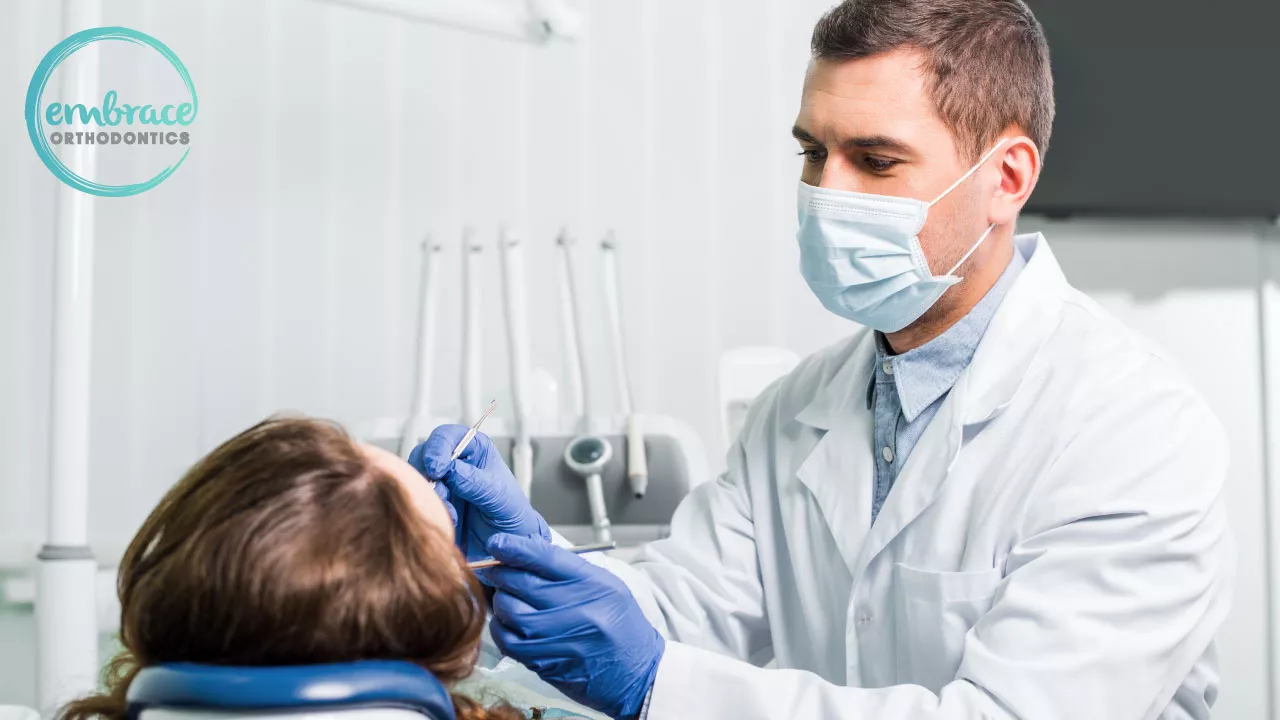
Only your orthodontist can determine the best orthodontic treatment for you. Dr. Li, your orthodontist, will use diagnostic procedures like clinical exams, plastic models of your teeth, and X-rays to create a treatment plan for you and your teeth.

Get in Touch With the Best Orthodontist in Ann Arbor

We recognize that while contemplating orthodontic treatment options, there is a lot to consider. We hope you’re on your way to reaping the benefits of orthodontics now that you know more about it, why it’s important, and how it works. Contact Dr. Li and the team at Embrace Orthodontics to schedule your free consultation today!

We look forward to helping you achieve your smile in orthodontics.