Interceptive Orthodontic Treatment: Why is Early Orthodontic Treatment Important?

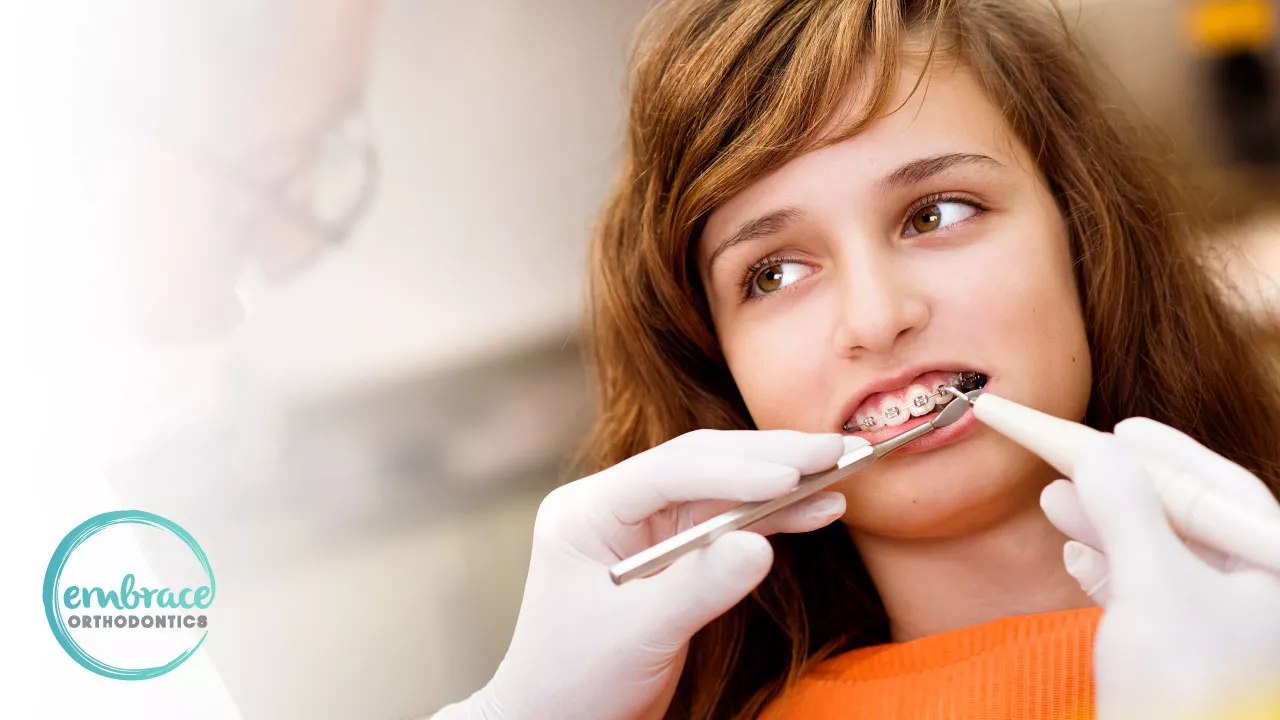
Interceptive orthodontic treatment, also known as early orthodontic treatment, is any type of intervention that happens on a patient who still has baby teeth. Treating someone at a very young age allows the orthodontist to catch any problem that’s either present or developing before it gets significantly harder to correct. It allows the dentist to decide whether a two-phase orthodontic treatment is necessary or not. 

Having all this extra time and information allows for results that couldn’t be possible if the patient’s first check-up was done with all permanent teeth already grown. It also makes it possible for the orthodontist to guide the correct development of the jaws and teeth as the patient grows older rather than having to change an already settled bone structure. 

What Is Two-Phase Orthodontics?

As the name implies, two-phase orthodontics is a 2 part process for kids that tries to identify, prevent and treat any dental problem a patient may have at a very young age. The American Association of Orthodontists recommends that every child should get an orthodontic check-up at 7 years old or as soon as a parent identifies a problem.

On the first visit, the orthodontist will not only look for existing problems but will also try to identify signs of possible future problematic situations. With the first records taken, the orthodontist will decide if any immediate treatment is necessary or if it’s better to wait before acting. Sometimes it will be better to have some intervention at the moment and then continue the process years later.

As said, there are some problems that do not benefit from early treatment, so there are times when the dentist will only recommend periodical visits to keep track of the situation as the child grows.

Phase I Orthodontics

This phase usually takes place at around 7 years old, when the child has already started to lose some of the baby teeth and begun growth of permanent ones. If the orthodontist identifies a problem that benefits from early intervention, then they will decide if it’s best to go for a treatment that expands over the 2 phases or just treat it in one. In this phase, orthodontics may last between 9 to 12 months during which dentists will apply orthodontics such as spacers, brackets for selected teeth, special retainers, etc.

One example of a situation that can occur at an early age and does benefit from interceptive treatment is the loss of a baby tooth. In some situations, a fallen baby tooth can lead to nearby teeth moving into the remaining space which would then leave the permanent teeth without anywhere to grow.

Once this happens, the teeth are crowded and can lead to several complications. Spacers make it so that the surrounding teeth don’t move into the free space, and an orthodontist will take them off once the permanent teeth are ready to come out.

After the early orthodontic treatment is complete, there is a resting period to allow for the uninterrupted growth of jaws and teeth.

Phase II Orthodontics

Phase II orthodontics begins once all the permanent teeth have grown out completely. For most children, that is around 11 or 12 years old. This stage is where all the common treatments take place, like tooth removal, braces, and then retainers, to avoid orthodontic relapse. Even though this process takes around 1 to 2 years, treatments like retainers will last much more than a couple of years after that initial time frame.

What Are The Benefits of Early Orthodontics?

The benefits of early orthodontics revolve around minimizing the time and effort needed to correct any orthodontic problem present in a patient. A lot of situations are more complicated to handle as the child grows older and the teeth and jaw set in place, so tackling them early provides an easy way to reduce dental treatment time in the future.

Furthermore, intervention at a young age, like spacers or baby teeth removal, makes it possible to open up space in advance for permanent teeth and thus avoiding some future complications.

For the problems that do benefit from early intervention, it can also mean avoiding the need for a permanent tooth extraction later on. There are situations when you can avoid surgery if you treat the problem during the growth process rather than after the teeth and jaws settle in position.

Treating your orthodontics problems early on and keeping your teeth straight allows you to have balanced wear on your teeth and to maintain proper hygiene much easier as there are no difficulties in getting to the hard crevices that can be present in crooked teeth. Thus, making you less likely to suffer from cavities, chipped teeth, tooth decay, or gum disease.

If you are curious whether your child needs early orthodontic treatment, contact our Ann Arbor office here or schedule your free consultation with us here.

Invisalign Clear Aligners Hygiene FAQs

When it comes to oral hygiene, all oral health practitioners coincide on the various benefits of teeth sanitation. At every dental consultation, dentists and specialists advise patients on the importance of proper brushing and flossing. Also, depending on each case, oral practitioners go a little further and recommend specific measures such as avoiding sugary foods or the benefits of using mouthwashes.

However, attention to detail is crucial when advising patients to use orthodontic devices to avoid oral problems like plaque, tooth decay, gingivitis, tooth loss, and infections propagating through the bloodstream. Although good oral hygiene is essential, even if you’re not wearing braces, an alternative to conventional orthodontic treatments eases the annoying stress of extreme sanitation measures.

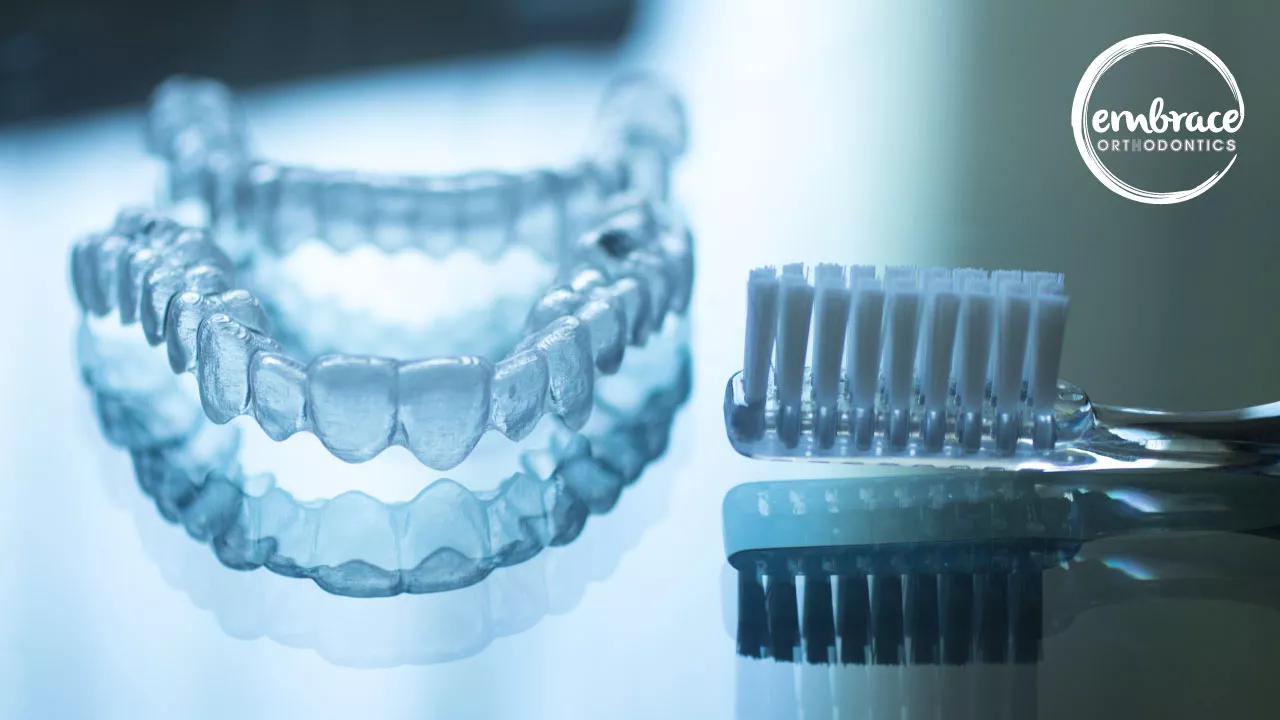
Clear Alignment Systems are innovative orthodontic treatments with removable devices that bring patients comfort and the possibility of brushing and flossing normally. Despite patients having to clean their aligners frequently, detailed cleaning of brackets and wires has become a thing of the past.

This article addresses the cleaning methods and tools used for Clear Alignment Systems, emphasizing Invisalign as a referent brand and its core benefits.

How Often to Clean Invisalign?

So far, we have swiftly described that Invisalign trays are removable, which permits patients to practice ordinary oral hygiene; this is brushing and flossing. However, clear aligners can catch bacteria and require a patient’s attention to clean them.

Clear alignment trays latch on to teeth that inevitably have built-up food, debris, and bacteria that stick on the tray’s walls. Therefore, Orthodontists recommend patients clean Invisalign trays at night while brushing and flossing. Notwithstanding, you can also visually observe dirt and stains that require some immediate action cleaning when needed.

Furthermore, during meals, and if you don’t have the appropriate utensils to clean your aligners, we recommend rinsing them in lukewarm water before wearing them again. Just don’t use hot water, please.

In addition to more extensive cleaning measures, you should also rinse your aligners each time you take them off. However, rinsing your aligners after meals won’t replace proper cleaning measures as it doesn’t remove unseen bacteria that accumulate on the inner walls.

Therefore, we have listed some of the most relevant steps patients must consider to guarantee a beautiful and healthy smile during and after Invisalign treatment.

What Are the Best Tips for Cleaning Invisalign Aligners?

When talking about maintaining good oral hygiene, some of the most important questions are how to clean Invisalign? and how to clean Invisalign with Crystals?

How to Clean Invisalign?

Dealing with Invisalign retainers hygiene is less complicated than the detailed and sometimes annoying oral hygiene process when wearing conventional braces. Here we have some tips for cleaning your Invisalign trays:

  • First, remove your aligners and rinse them with water every night.
  • Next, use an extra soft-bristled toothbrush to gently and softly remove any particles or debris accumulated during the day.
  • You can use a clear liquid soap as an auxiliary element to improve the mechanical removal of particles.
  • Rinse your aligners thoroughly by moving them in all directions to let water flow in your aligners’ inner and outer portions.
  • Carefully shake them to remove excess water and place them back in your mouth. If you are not using them immediately, store the appliances in the protective case provided by Invisalign.

Along with the cleaning measures detailed above, you can also acquire specialized products to clean your aligners. Invisalign auxiliary cleaning products will give you more peace of mind about aligners’ cleanliness. For example, Steraligner is an Invisalign brand product that leverages natural essential oil extracts to remove plaque and tartar from clear aligners.

You just pour Steraligner into a container provided by Invisalign and place your trays in it. You can typically brush your teeth while your aligners get sterilized, leave them for approximately three minutes, rinse them off, and your aligners will be ready to be used again.

Contributing to the aforementioned steps, an article published in Healthcare Magazine in 2022 systematically reviewed cleaning and disinfection protocols for clear orthodontic aligners, concluding that combining a mechanical and a chemical method seems to be the most effective approach to clean clear aligners. Following this piece of research, we include the use of crystals as an effective chemical cleaning method.

How to Clean Invisalign With Crystals?

Invisalign is a complete orthodontic system that comprises enhanced cleaning methods for better oral health during treatment. Cleaning Crystals are Invisalign’s more comprehensive cleaning mechanism that allows patients to have a more reliable solution for trays and dental hygiene.

To use crystals, you just have to pour water into an appropriate container and dissolve the crystals in it. After the crystals dissolve, insert your aligners into the water container. Crystals contain sodium sulfate that acts as a cleansing agent.

At Embrace Orthodontics, we pride ourselves on the personal relationships made with our patients and their families. Schedule a free consultation and start the journey to the smile of your dreams.